Food and Beverage Marketing: The Best Stories Are Already Happening on Your Production Floor
Food and beverage manufacturing is full of interesting stories.
There are companies developing new processing technologies, equipment manufacturers helping producers improve efficiency, and packaging innovators finding ways to reduce material usage.
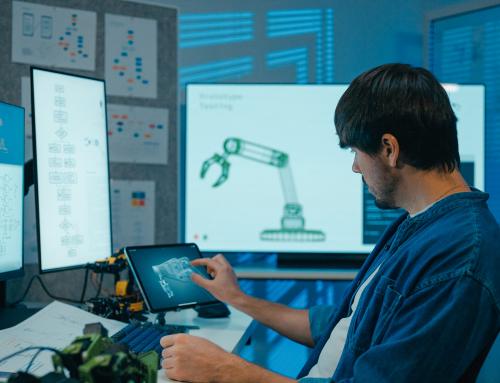
There are engineers solving production challenges, operations teams improving performance, and manufacturers investing in technologies that make food production safer and more efficient.
Yet many of these stories never make it beyond the production floor.
That is a missed marketing opportunity.
Your Expertise Is Your Greatest Marketing Asset
Food and beverage companies often underestimate how much valuable information exists within their organizations.
Your engineers understand production challenges. Your sales team knows what customers are asking. Your operations team understands how your solutions perform in real-world environments.
That expertise can become the foundation of an effective content marketing strategy.
A B2B digital marketing agency with food industry experience can help uncover those stories and turn them into content that attracts potential customers.
For example, a company that manufactures food processing equipment might develop content explaining how its technology improves sanitation, increases throughput, or reduces product waste.
A packaging equipment supplier might demonstrate how its machinery supports faster changeovers or improves line efficiency.
These are the types of stories that help buyers understand the value of a product before they ever request a quote.
Make Your Content Useful
The most effective food industry marketing often starts with answering practical questions.
What should a manufacturer consider when automating a production line?
How can equipment design support sanitation?
What factors affect packaging line efficiency?
How can manufacturers accommodate more product variations without sacrificing productivity?
These questions create opportunities for educational content that addresses real customer needs.
They also support SEO and GEO because they align with the way buyers research solutions.
Rather than writing content around broad promotional claims, food industry companies can develop articles, FAQs, and application pages that provide clear, technically accurate answers.
Video Brings Food Manufacturing to Life
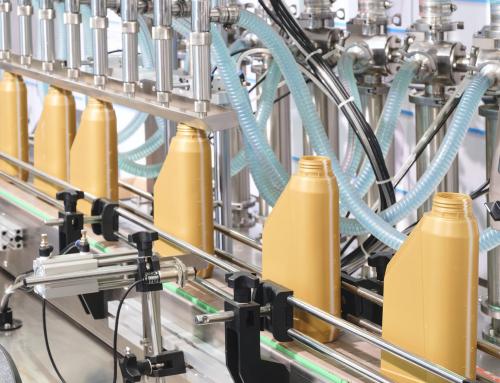
Food and beverage equipment is often best understood when people can see it operating.
A short video showing a filling system, inspection machine, robotic handling application, or packaging line can communicate capabilities that would take several paragraphs to explain.
Video can also introduce the people behind the technology.
Interviews with engineers, product managers, and company leaders give customers a better understanding of the expertise and experience within an organization.
These videos can support websites, LinkedIn campaigns, sales presentations, email marketing, and trade show promotion.
Public Relations Extends the Story
A new product launch, customer success story, technology advancement, or company milestone can create opportunities for trade media coverage.
Public relations helps food industry companies reach audiences through publications and channels their customers already follow.
When combined with SEO, social media, video, and digital advertising, PR can extend the reach of those stories significantly.
One customer success story might become a press release, website case study, video, LinkedIn campaign, and sales presentation.
That is the value of integrated marketing.
Make Marketing Part of the Business
Food manufacturers do not need to invent stories simply to have something to publish.
They need to recognize the stories already happening around them.
Every production challenge solved, new technology introduced, or customer success achieved represents a potential marketing opportunity.
At Turchette B2B Marketing and Public Relations, we help technical and industrial brands turn their expertise into content that builds credibility and creates opportunities.
Because the best marketing stories are often the ones your team is already living every day.
Key Takeaways
- Food manufacturing companies have valuable marketing stories within their operations.
- Engineers, salespeople, and operations teams are important sources of content.
- Educational articles and FAQs help answer customer questions.
- Video makes complex food processing and packaging technologies easier to understand.
- Integrated PR and digital marketing extend the value of company news and customer success stories.
Frequently Asked Questions
What content should food manufacturing companies create?
Food manufacturers should develop application articles, case studies, equipment demonstrations, technical FAQs, expert interviews, and content addressing production challenges.
Why is video important in food equipment marketing?
Video helps buyers understand how equipment operates, see applications in action, and evaluate technical capabilities before contacting a supplier.
How can food companies improve their online visibility?
Food companies can improve visibility through industry-specific SEO, educational content, technical website pages, public relations, and consistent digital marketing.